Traffic but no sales, and where it actually goes wrong.
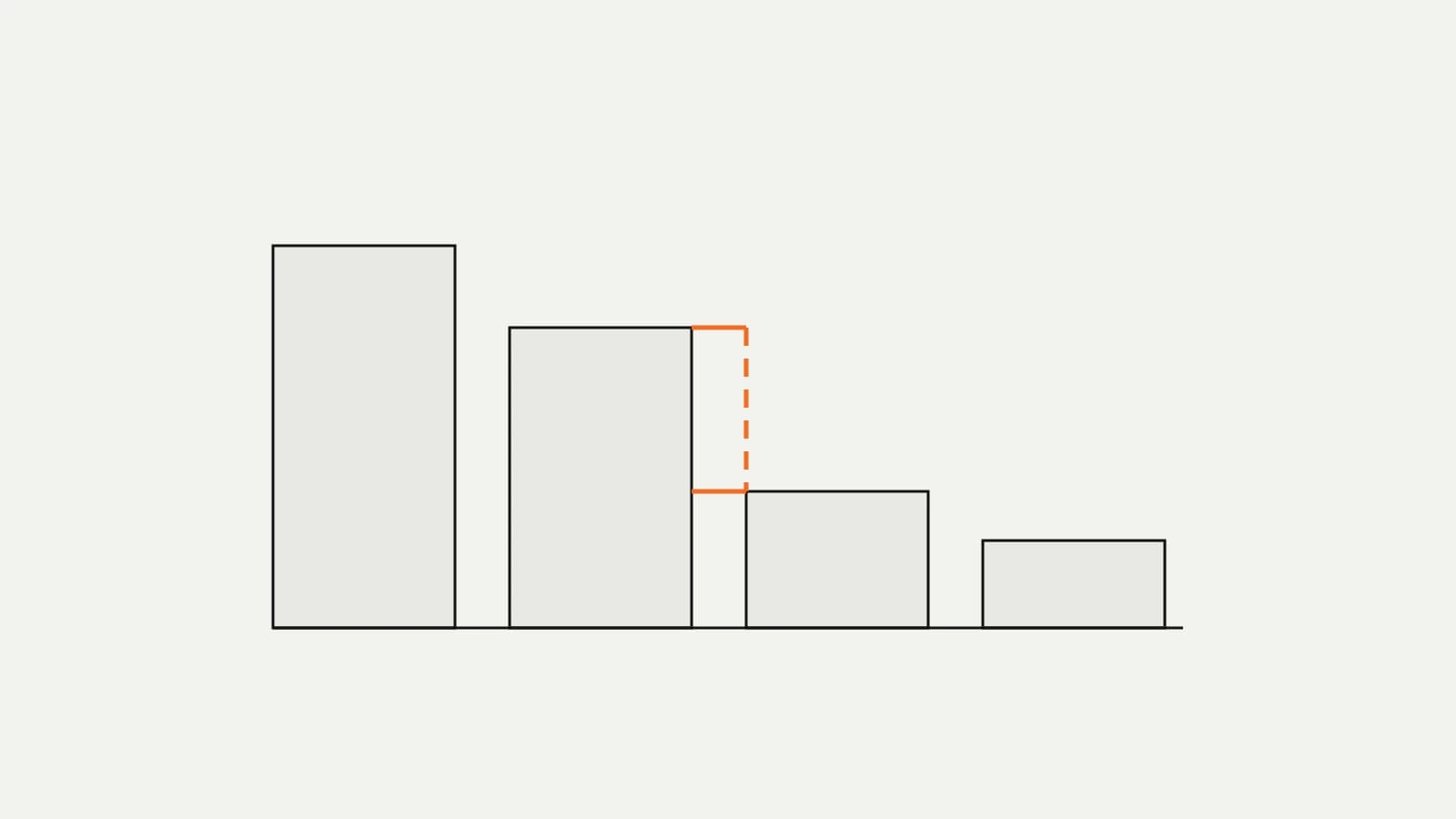
Traffic without sales is one of four problems, and your checkout analytics name it in an hour. If few visitors reach a product page, the traffic is wrong or the store does not look trustworthy. If they reach products and do not add to basket, the product page is the problem. If they add and do not check out, it is cost, delivery or payment friction. If they start checkout and abandon, it is almost always a surprise at the final step. Find the biggest single drop first and fix only that.
Find the drop before you change anything
The instinct is to redesign the homepage. The useful move is to measure four numbers: how many sessions reached a product page, how many added to basket, how many began checkout, and how many finished.
One of those gaps will be much larger than the others. That gap is the whole problem, and everything else is a distraction until it is fixed.
Nobody reaches a product page
If most sessions end before a product is even viewed, the visitors either wanted something you do not sell or decided in a few seconds that this was not a real shop.
The first is a traffic problem: check what search terms or audiences are sending people, because buying the wrong visitors is the most expensive habit in ecommerce advertising. The second is a trust and speed problem, and it is fixed on the first screen rather than deeper in the site.
They look at products and do not add
This is the most common of the four, and the product page is almost always thinner than the seller thinks. Not enough images, no scale, no sizing help, no delivery time, and no answers to the two or three questions every buyer has.
Reviews matter more here than anywhere else on the site. So does making the price legible rather than clever: discounts that require arithmetic lose people who were ready to buy.
If your traffic comes from shopping ads, the title the shopper saw before arriving is part of this too. A title that promised something slightly different from the page produces exactly this pattern, and our Merchant Center title editor rebuilds them from the feed columns so the listing and the page agree.
They add to basket and leave
Something between the basket and the checkout is changing the deal. Almost always it is delivery cost appearing for the first time, or a delivery date that is slower than expected.
Both are fixable without discounting. Say the delivery cost and the delivery date on the product page, before the basket, so it is part of the decision rather than a surprise. A shopper who knows the total early is far more likely to finish than one who learns it at the end.
- Delivery cost and date stated on the product page, not only in the basket.
- Guest checkout available, because forcing an account at the last step loses real buyers.
- The payment methods your customers actually use, which may not be the ones you use.
- A basket that survives leaving and coming back, since many purchases are decided over two visits.
Check that the numbers are real
Before rebuilding anything, confirm the traffic is genuine and the tracking is honest. A large share of bot traffic will make a healthy store look broken, and a duplicated tag will make a broken one look busy.
This is worth ten minutes because the rest of the work depends on it. Measurement that quietly counts the wrong thing produces confident conclusions about a store that does not exist.
Where do your visitors actually stop
Open the checkout analytics and write down the four numbers. The biggest gap is your project for this month, and it will be more specific than anything a redesign would have addressed.
If the numbers are confusing or the biggest drop does not match what you expected, send them to us with the store and we will tell you which of the four you have. We rebuilt a store around exactly this question and the sales went up more than tenfold on sixty two percent more traffic, which is what happens when the fix matches the actual problem.
Questions we get asked.
Why is my Shopify store getting traffic but no sales?
- It is one of four problems: visitors not reaching a product page, reaching one and not adding to basket, adding and not starting checkout, or starting and abandoning. Your checkout analytics show which gap is largest, and that gap is the whole problem.
What conversion rate should an online store expect?
- It varies so widely by price, category and traffic source that benchmarks are close to useless. Compare against your own previous period and against the gap you are trying to close, rather than against a published average.
Should I discount to get the first sales?
- Rarely as a first move. If the problem is a surprise delivery cost or a thin product page, a discount pays to paper over it and teaches your customers to wait for the next one. Fix the drop first and keep discounting as a real promotion.
How much of my traffic might be bots?
- Enough to distort a small store's numbers, which is why it is worth checking before concluding anything. Look for sessions with no engagement at all from unusual sources, and confirm your tags are not firing twice.
Is it worth fixing the product page before the checkout?
- Fix whichever gap is biggest, not whichever is first. On most stores the product page is the largest drop, but the analytics decide that, not a general rule.