The tracking problems that quietly ruin paid search reporting.
Most paid search reporting is wrong in one of five ways: the same conversion is counted more than once, a conversion action fires on something that is not a sale, the attribution window was never set deliberately, consent blocks a share of conversions that are then invisible, or the sale happens somewhere the platform never hears about. None of these look like errors in the interface. They look like results, which is why accounts optimize toward them for months.
Why this matters more than any bid change
Smart bidding does exactly what you tell it. If you tell it that a newsletter signup and a five hundred dollar order are the same event, it will find you newsletter signups, efficiently and at scale, and the reporting will look excellent while the bank account does not move.
That is the whole argument for auditing tracking before touching anything else. Every optimization after it inherits whatever the tracking believes.
One: the same conversion counted twice
The most common version is a conversion tag on both the checkout page and the order confirmation page, or a tag firing on page load as well as through a tag manager trigger. The result is a doubling that looks like a good month.
The second version is subtler. Two conversion actions, say Purchase and Lead, both set to count toward your primary goal, when a purchase also fires the lead event. The account then optimizes toward whichever one is cheapest to produce.
Check it by comparing platform conversions against orders in your actual back end for the same days. If the platform is consistently ahead by a similar ratio, you are double counting.
Two: conversion actions that are not conversions
Page views of a thank you page that can be reached without buying. Add to cart counted as a conversion because it was easier to implement. Phone clicks counted as calls, when a click is not a conversation.
None of these are useless, and all of them are useful as secondary actions. The problem is only ever what you let the bidding optimize toward. Keep one primary action that means money, and let everything else be diagnostic.
Three: attribution windows nobody chose
Almost every account runs on whatever window was default when it was created. That is fine if your product is bought the same day and unusual if it is not.
If your sales cycle is three weeks and your window is seven days, the platform sees a fraction of the conversions it actually caused and bids accordingly. If your window is ninety days and your product is an impulse purchase, you are crediting clicks that had nothing to do with it.
Set it to something close to how long your customers actually take. You can measure that: the time to purchase report is not hidden.
Four: the consent gap
Where consent is required and declined, the conversion still happens and the platform does not learn about it. Depending on your market that can be a meaningful share of your results, and it is invisible in the interface: the conversions simply are not there.
Consent mode exists to model that gap rather than ignore it, and it needs to be implemented properly rather than assumed. The check is whether your platform numbers and your back end numbers diverge by a stable percentage. A stable gap usually means consent. A growing one usually means something broke.
Five: the sale the platform never hears about
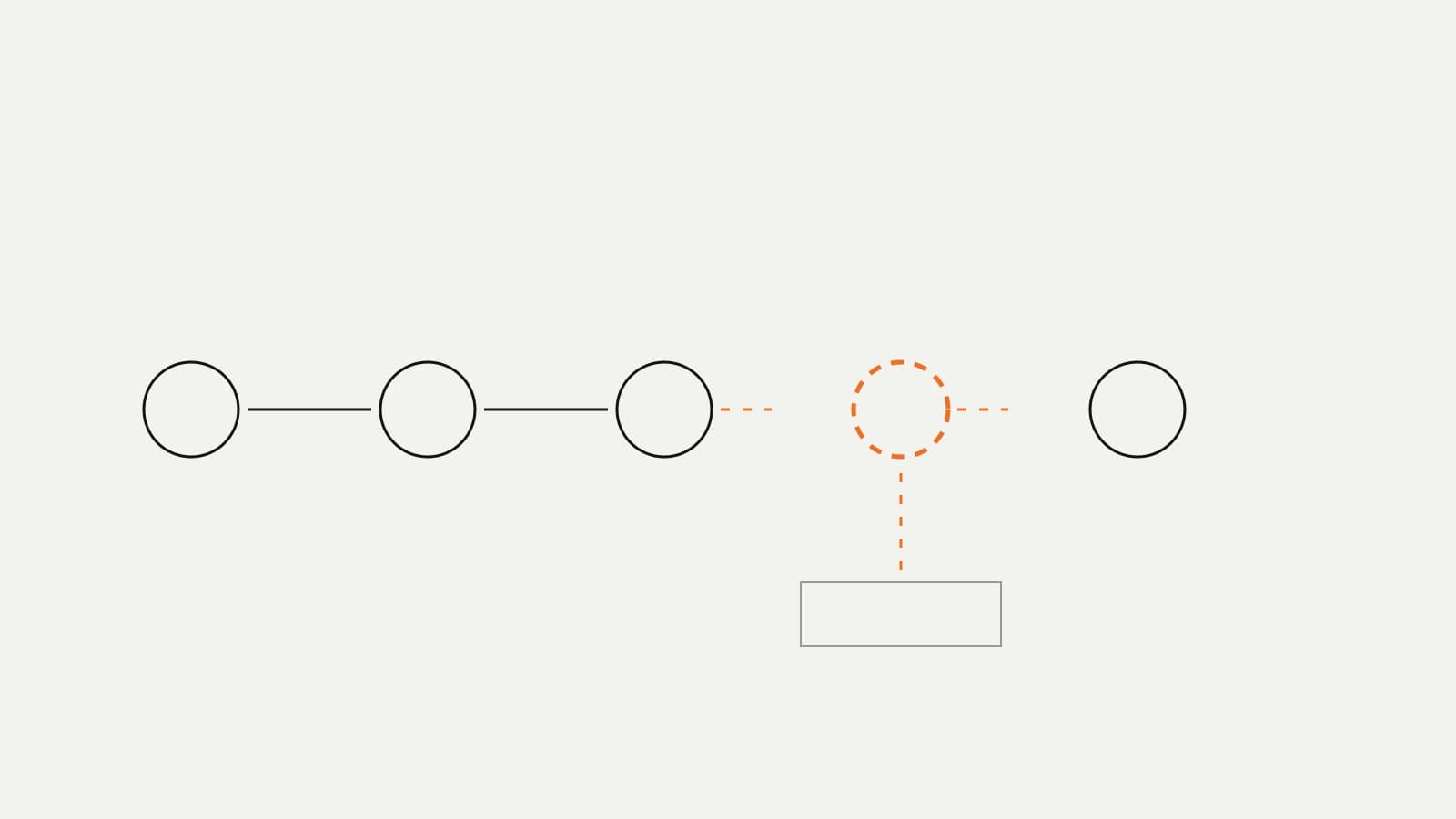
This is the one that costs most. If the deal closes on a call, in a CRM, or in a shop, the platform sees the enquiry and stops there. It will then optimize for enquiries, including the bad ones, because as far as it knows every enquiry is equal.
Sending the outcome back, so that a qualified lead and a closed sale are distinguishable from a tyre kicker, is usually the single highest value change available to a lead generation account. It is also the change we made first at Fingertip, where subscriptions were completing inside a third party CRM that Google never heard about.
Why GA4 and Google Ads will never agree, and that is fine
They measure different things. Google Ads attributes a conversion to the date of the click; GA4 attributes it to the date of the conversion. Google Ads counts conversions across devices for the same user; GA4 is stricter about sessions. Google Ads uses its own attribution model and GA4 uses yours.
A stable difference between them is normal and not worth chasing. A sudden change in the size of that difference is worth chasing immediately, because it usually means something broke.
How to audit yours in an afternoon
You do not need a tool for most of this. Take one month and do these five things:
- Count orders in your back end for the month, and compare with platform conversions for the same days. Note the ratio.
- List every conversion action and mark which ones count toward your primary goal. There should usually be one.
- Check the attribution window against your actual time to purchase.
- Fire a test conversion and watch whether it appears once or twice.
- Ask where the money is actually confirmed, and whether that place ever tells the ad platform.
Questions we get asked.
Why do Google Ads and GA4 show different conversion numbers?
- Because they measure differently. Google Ads credits the conversion to the date of the click and counts across devices; GA4 credits the date of the conversion and is stricter about sessions. A stable difference is expected. A sudden change in that difference usually means something broke.
How do I know if my conversions are double counted?
- Compare platform conversions against orders in your own back end for the same days. If the platform is consistently ahead by a similar ratio, you are double counting, most often because a tag fires on both the checkout and the confirmation page.
What attribution window should I use?
- One that matches how long your customers actually take to buy, which you can measure in the time to purchase report rather than guess. A window shorter than your sales cycle hides conversions you caused; one much longer credits clicks that did nothing.
Should I send offline conversions back to the ad platform?
- If your sale is confirmed anywhere other than the website, yes, and it is usually the highest value change available. Without it the platform optimizes for enquiries rather than customers, and cannot tell a good lead from a bad one.