Planning Q4 when customers are being careful with money.
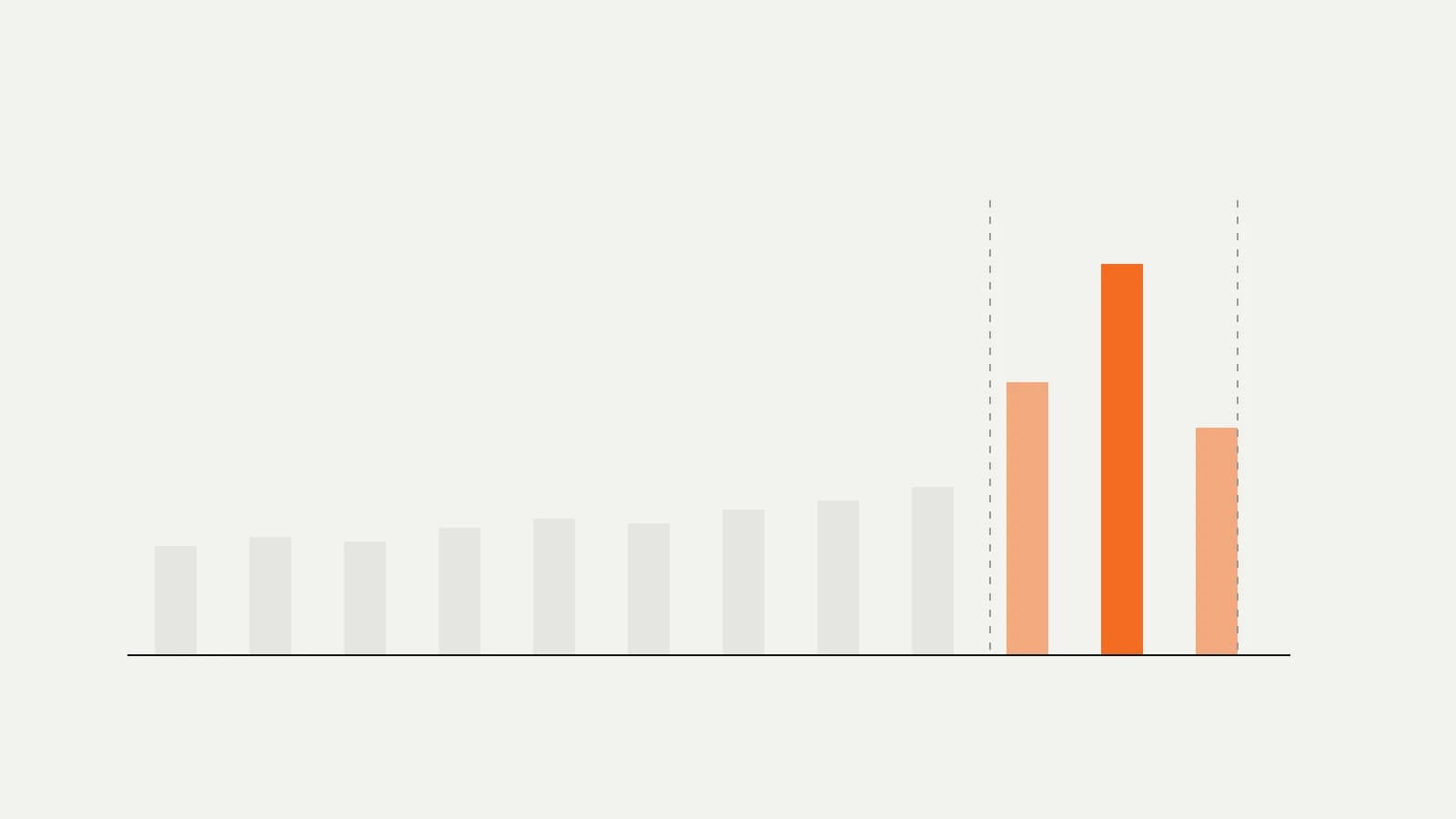
In a cautious economy Q4 still concentrates demand, but it concentrates it on decisions people have already half made rather than creating new ones. That changes what works. Money spent in the weeks before the peak building familiarity and capturing intent tends to outperform money spent bidding against everyone else during it, and offers that reduce the risk of buying tend to outperform offers that simply reduce the price. The businesses that struggle are usually the ones that discount first and think second.
What actually changes when people are careful
Careful buyers do not stop buying. They take longer, they compare more, and they need a stronger reason to commit today rather than next week. The purchase still happens. The path to it gets longer and more fragile.
Three consequences follow, and all of them are practical. Your consideration window stretches, so anything you do in the last fortnight is competing against a decision that started earlier. Your abandoned carts rise, because hesitation now has somewhere to live. And the thing that closes the sale shifts from desire to reassurance.
Discounting first is usually the wrong move
The instinct in a slow quarter is to cut the price, and it is the fastest way to buy revenue at the cost of the margin that would have funded January.
Worse, it teaches your customers to wait. If the same brand discounts every Q4, its buyers learn that the price in October is not the real price, and next year they hold out longer.
The better question is what is stopping this person buying, and price is usually only one of several answers. Delivery uncertainty stops people. Not knowing whether it will fit stops people. Not being able to return it easily stops people. Each of those can be addressed without giving away a point of margin.
We saw this directly at Fingertip, where the winning change was not a cheaper product. It was an entry point that felt low risk, and it beat the free trial on both completion and retention.
Spend before the peak, not only during it
Auction prices rise in the peak because everyone arrives at once. The demand, though, does not appear on the day. It builds.
That gives you an arbitrage. The weeks before the peak are cheaper, and money spent there on being remembered, on building remarketing audiences, and on capturing early research intent pays off at exactly the moment everyone else is paying premium prices to be noticed for the first time.
Practically: start building audiences six to eight weeks out, not two. Make sure your remarketing lists are populated before you need them. And do not switch your brand campaign off in a quiet October, because that is when your competitors are bidding on your name most cheaply.
Protect the margin you will need in January
Q4 revenue that costs you your January cash position is not a good quarter, it is a loan. Before you commit to a promotion, work out the return you need for it to still be worth doing after cost of goods, shipping and returns, and set that as the floor.
This is also the argument for knowing your break even return on ad spend as a number rather than a feeling. Once you have it, every decision in the quarter gets easier, because you can tell the difference between a campaign that is busy and a campaign that is profitable.
If you cannot outspend, out specify
Smaller budgets lose the volume fight and can win the relevance fight. A narrower audience with a sharper message beats a broad one with a generic message at every budget, and the gap widens when everyone else is shouting.
Concentrate on the products that carry margin rather than the whole catalogue. Target the places and the segments where you already convert best rather than the largest possible audience. And put the budget behind the one offer you can prove works rather than three you are hoping will.
What to watch through the quarter
Two numbers matter more than the rest during a peak, and neither is revenue:
- Conversion rate, because it tells you whether the traffic you are buying is the right traffic. If it falls as spend rises, you are buying worse visitors, and more budget will make it worse rather than better.
- Average order value, because in a cautious market it moves first. A falling order value at a steady conversion rate is your customers trading down, and it is an early signal that your offer needs changing rather than your budget.
The January problem
Plan the first two weeks of January before December ends. Most accounts are left running whatever the peak configuration was, into a period with completely different behavior, and spend a fortnight paying peak prices for post peak demand.
Decide now what comes down on the second of January, what the offer becomes, and what the budget is. It takes an hour in December and saves a month of drift.
Questions we get asked.
Should I discount in Q4 if sales are slow?
- Not as the first move. Work out what is actually stopping people buying, because price is usually only one of several answers alongside delivery uncertainty, fit and returns. Discounting also teaches buyers to wait for the next sale, which costs you next year as well as this margin.
When should I start spending for Q4?
- Six to eight weeks before the peak rather than two. Auction prices are lower before everyone arrives, and money spent early builds the remarketing audiences and the familiarity that make peak spending work.
Should I cut ad spend if the economy is slow?
- Cut what is not paying for itself and protect what is, rather than cutting across the board. A blanket cut usually removes the brand and remarketing spend that was quietly closing sales, and leaves the expensive prospecting that was not.
Is it too late to start Q4 planning in November?
- No, but it changes what is worth doing. With weeks rather than months, focus on the things that work immediately: fixing the checkout, sharpening one offer, making sure tracking is right, and putting budget behind what already converts rather than testing something new.