Why your Meta creative stops working after three weeks.
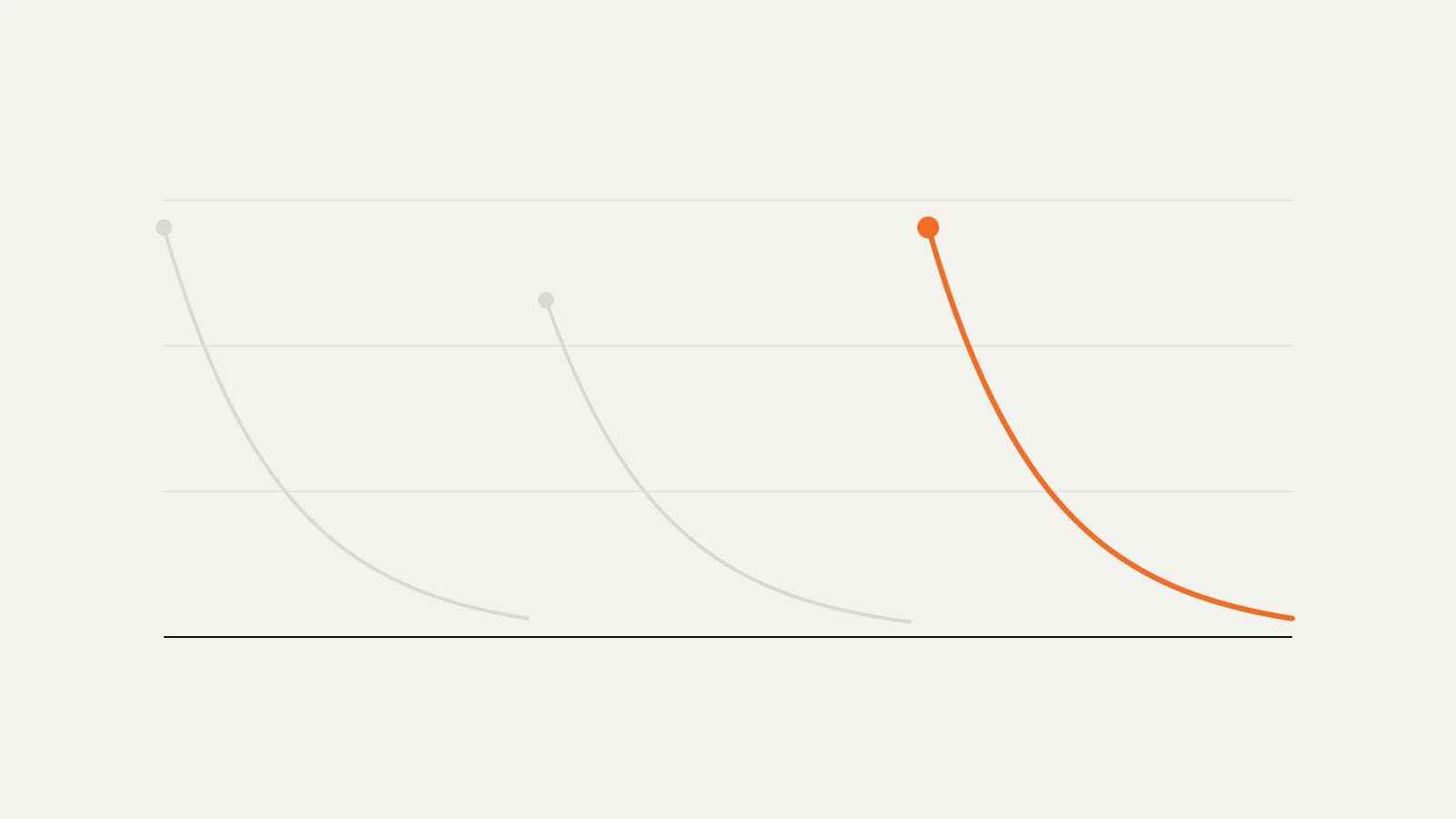
Meta creative fatigue happens because the people most likely to respond to an ad see it first and respond first. What you are watching is your most responsive audience being used up, not the ad becoming worse or the algorithm turning against you. That is why a new thumbnail, a new headline or a duplicated ad set rarely fixes it: the ad is unchanged to the people who have already decided about it. What resets fatigue is a genuinely different reason to stop, aimed at a part of the audience the first ad never persuaded.
Fatigue is an audience effect, not a creative defect
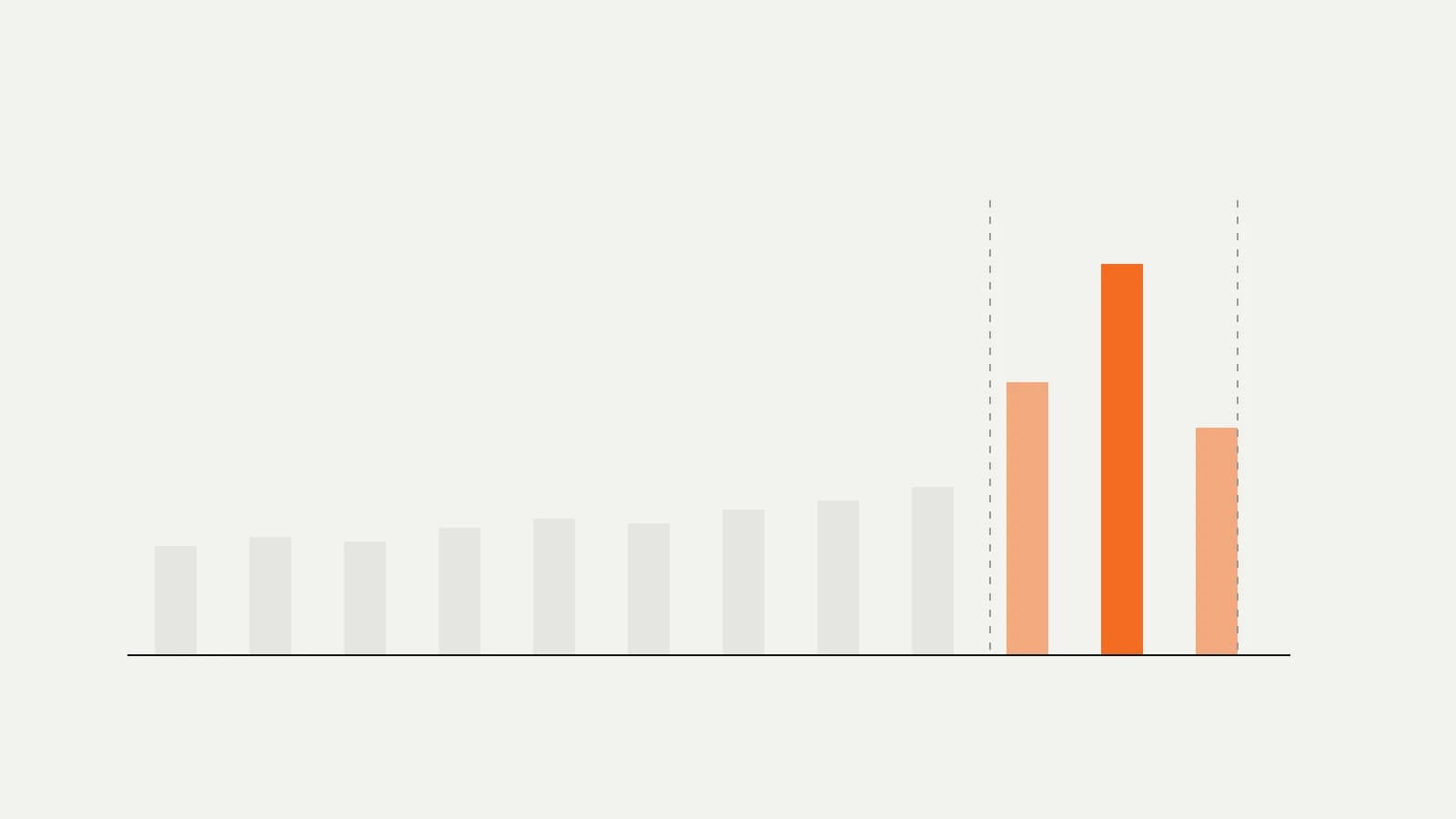
Delivery is not random. Meta shows an ad first to the people it thinks are most likely to take the action you asked for, and it is reasonably good at that. Those people convert early, which is why the first days look so good.
Once that group has seen it and decided, delivery moves outward to people who were always less likely to respond. Cost per result rises. Nothing about the ad changed. The population being shown it did.
This matters because it tells you where to look. If the ad is fine and the audience is exhausted, you need a different reason to buy, not a better version of the same one.
Frequency is a symptom, not a diagnosis
Frequency is the first number everyone checks, and it is the least useful one. A frequency of four across a tightly defined audience of people who already know you can be entirely healthy. A frequency of two against cold traffic with a weak offer can be a disaster.
There is no threshold that means fatigue. What tells you something is the shape: cost per result climbing while click through rate falls and frequency rises together. Any one of those alone usually means something else.
Rule out the boring explanations first
Before you blame the creative, check the three things that look identical in the reporting and are not fatigue at all:
- A tracking change. If a conversion action broke or consent handling changed, results fall while nothing about delivery moved. Check whether the platform and the back end disagree about the same days.
- Seasonality or a competitor. If your category got more expensive for everyone, your cost per result rises without your ad doing anything wrong.
- A landing page or checkout problem. If click through rate held and conversion rate fell, the ad is still working and the page is not.
What actually resets it, and what only looks like it does
The things that do not reset fatigue, despite being the most common responses to it: changing the thumbnail, rewriting the headline, duplicating the ad set, or raising the budget. To someone who has already seen and dismissed the ad, none of those make it a new ad.
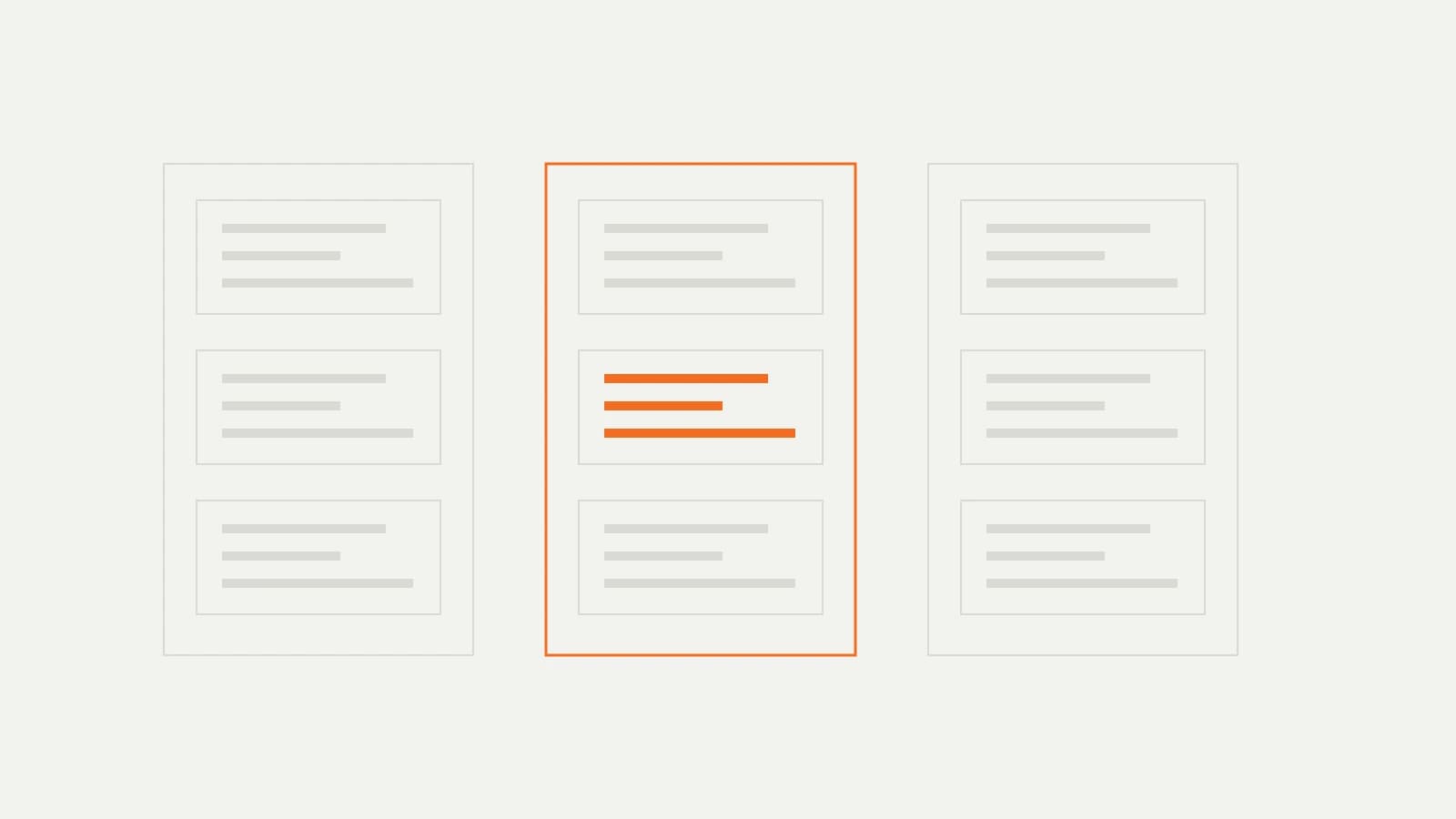
What does reset it is a different angle. Not a different execution of the same argument, but a different reason to care, aimed at a different objection. If the first ad argued on price, the next one argues on time. If the first led with the product, the next leads with the problem.
Format changes help for the same reason. A static image and a fifteen second video are processed differently and reach people the other format did not. That is a real reset. A color change is not.
Build a pipeline, not a rescue plan
Fatigue is predictable, which means it should never be an emergency. Agencies that treat it as one spend every month scrambling to replace whatever just died.
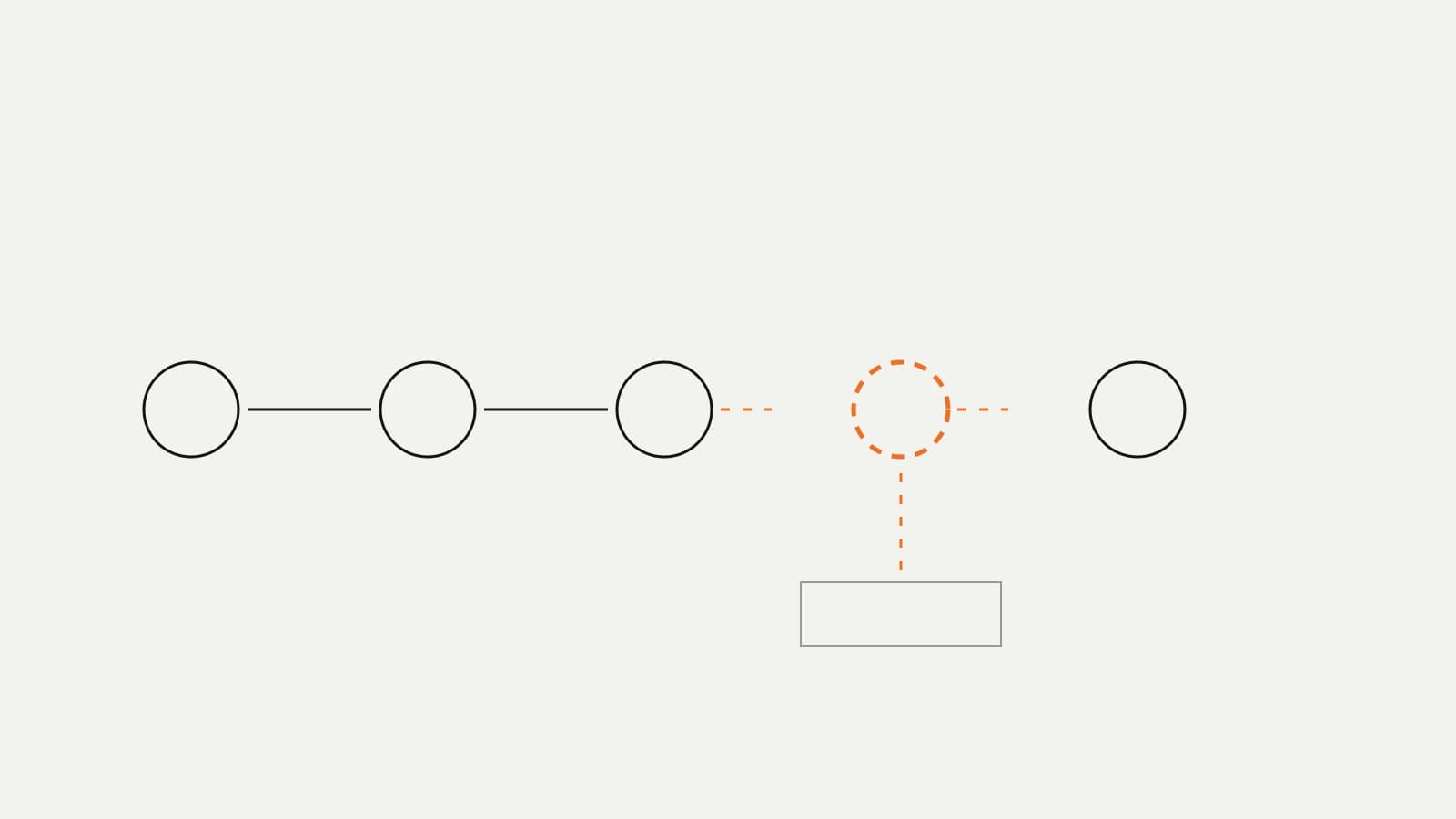
The alternative is to keep a small number of angles in rotation and to be testing the next one while the current one is still working. You are not looking for a winner that lasts forever. You are looking for a supply of reasons to buy, so that when one is exhausted the next one is already proven.
This is also the cheapest way to find out what your customers actually respond to, which is knowledge that outlives any individual ad.
What to measure
Track cost per result by angle rather than by ad. Individual ads fatigue quickly and tell you little. Angles fatigue slowly and tell you something about your market.
Then measure how long each angle lasts. Once you know that a given angle gives you roughly six weeks, the pipeline builds itself, and Meta stops being something that works for a while and then mysteriously stops.
Questions we get asked.
What frequency is too high on Meta?
- There is no universal number. Frequency only means something alongside cost per result and click through rate. A frequency of four to a warm audience can be healthy, and a frequency of two to cold traffic with a weak offer can be a problem.
How often should I refresh Meta creative?
- Refresh the angle, not the ad, and do it before performance falls rather than after. Most accounts find an angle lasts somewhere between four and eight weeks, so testing the next one while the current one still works keeps you ahead of it.
Does duplicating an ad set reset creative fatigue?
- No. Duplicating restarts the learning phase but shows the same creative to broadly the same people, who have already decided about it. It can look like a reset for a day or two because delivery is recalibrating, and then the same decline resumes.
Is creative fatigue the algorithm punishing my account?
- No. It is delivery working as designed. The most responsive people are shown the ad first and respond first, so what remains is a less responsive audience. Nothing is being penalised.