Why your Meta ads cost more every quarter.
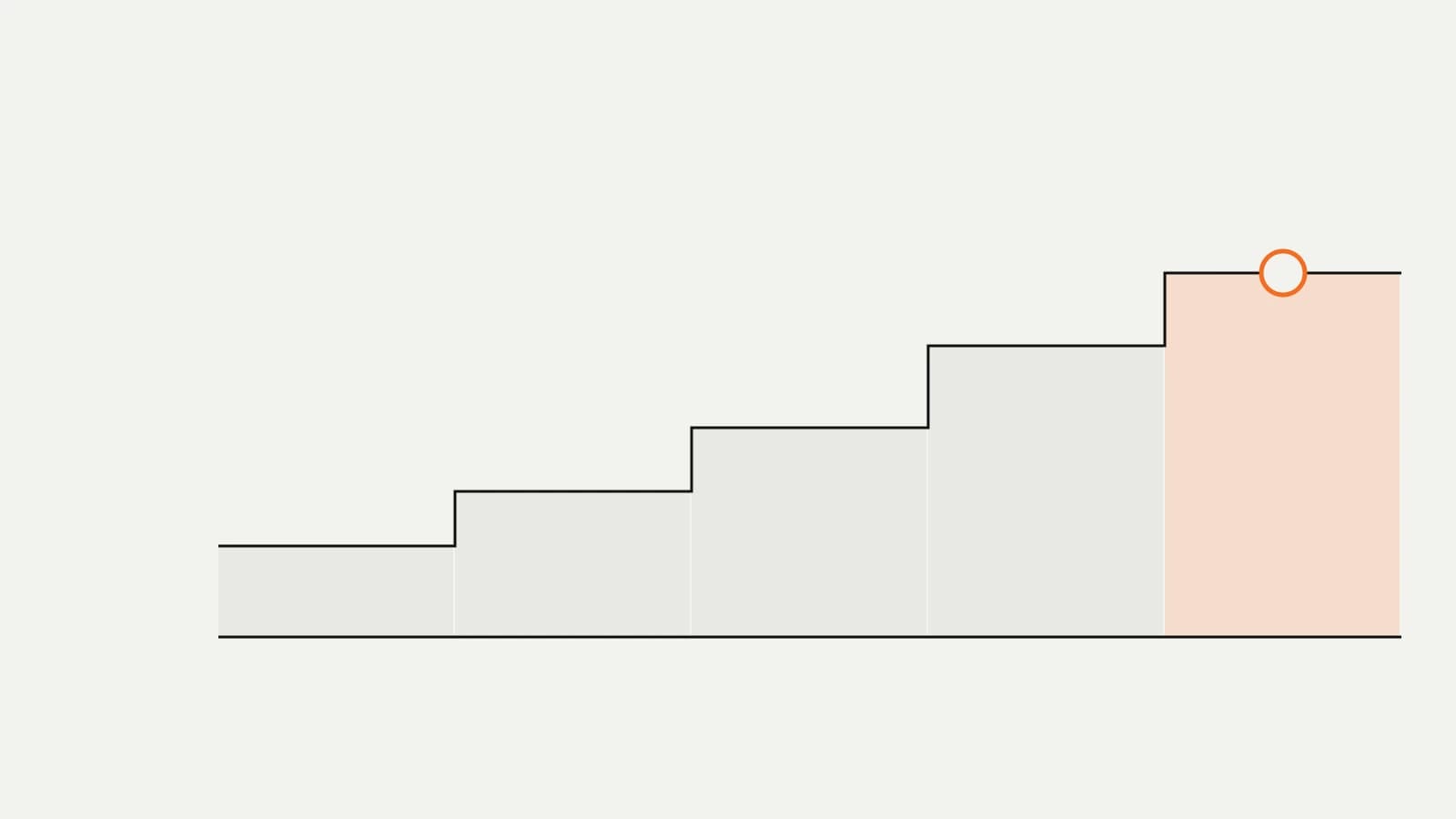
Meta CPM rises for two kinds of reason and they need different responses. The market reasons are more advertisers bidding, seasonal demand around the fourth quarter, and higher value audiences being contested. The account reasons are a narrow audience you keep narrowing, creative that has been running long enough to wear out, and objectives that make Meta compete for a smaller slice of inventory. Check frequency and audience size first, because those two explain most self inflicted CPM rises and both are yours to change today.
CPM on its own is not a problem
A higher CPM costs you nothing if the people it reaches are worth more. That is worth saying first, because plenty of accounts chase a lower CPM straight into a cheaper audience that never buys anything.
The number that matters is what a result costs. CPM is only useful as one half of that, and reading it alone is how advertisers end up optimising for reach they cannot sell to.
The part that is genuinely the market
Advertiser demand rises every year, and it rises fastest in the last quarter when everybody with a product to sell arrives at once. If your CPM climbs through November and settles in January, that was the calendar rather than your account.
Certain audiences are also contested by definition. Anybody selling to people with money, in a country where the inventory is expensive, is bidding against everybody else who wants the same people. You cannot fix that, and an agency telling you they can usually means they are about to move you to a cheaper audience.
Narrowing the audience raises the price you pay
This is the most common self inflicted cause. Each layer of targeting you add removes inventory from the auction you are bidding in, and the smaller the pool, the more you pay to reach it repeatedly.
It feels like precision. Mechanically it is scarcity. Broad targeting with strong creative usually delivers a lower CPM and a lower cost per result than tight targeting with average creative, because the system is allowed to find the buyers rather than being told where to look.
Worn out creative shows up as a CPM problem
When the same people see the same advertisement repeatedly, engagement falls, and falling engagement makes your ads more expensive to deliver. The cost rise is real, but the cause is the creative rather than the auction.
Frequency is the number to look at, read next to whether results per thousand impressions are falling while CPM rises. That pattern is fatigue rather than competition, and our ad frequency and fatigue calculator separates the two from figures you can copy straight out of Ads Manager.
The fix is not a higher budget. It is different creative, and there is a real question about how much of it you need, which is worth answering properly rather than by instinct.
Three checks, in this order
Before changing anything, look at these in sequence.
- Audience size. If the estimated reach is small and you have been adding layers, remove them one at a time and watch cost per result rather than CPM.
- Frequency against results. Rising frequency with falling results per thousand impressions is fatigue. Rising frequency with steady results is just a small audience.
- The period you are comparing. A quarter against the same quarter last year removes the seasonal effect that a quarter against the previous quarter includes, which is the same discipline that separates a real trend from a noisy one in paid search.
What is your frequency this month
Most advertisers cannot answer that without looking, which is itself the answer. Open Ads Manager, add frequency as a column, and compare it against results per thousand impressions over the last ninety days.
If those two lines are moving apart, your CPM problem is a creative problem, and no amount of bid or budget work will fix it. If you want us to look at the account and say which of the causes is actually yours, send it over through the enquiry form and we will tell you which half of the rise you can do something about.
Questions we get asked.
Why is my Meta CPM increasing?
- Partly the auction, which gets busier every year and much busier in the fourth quarter, and partly your own account. Narrow targeting shrinks the inventory you bid into, and creative that has been running too long lowers engagement, which raises delivery cost. Check audience size and frequency before assuming it is the market.
Is a lower CPM always better?
- No. A lower CPM reaching people who never buy is more expensive than a higher CPM reaching buyers. Judge cost per result, and treat CPM as one input to it rather than as a target in itself.
Does broad targeting really cost less than narrow targeting?
- Usually, yes. Every targeting layer removes inventory from the auction, and a smaller pool costs more to reach repeatedly. Broad targeting with strong creative commonly beats tight targeting with average creative on both CPM and cost per result.
What frequency is too high?
- There is no universal number, because a considered purchase tolerates more repetition than an impulse one. The signal is the relationship: frequency rising while results per thousand impressions fall means the audience has seen enough.
Should I raise the budget when CPM rises?
- Only if the cost per result is still acceptable. Raising the budget against worn creative buys more impressions of something people have stopped responding to, which raises the cost again rather than solving it.