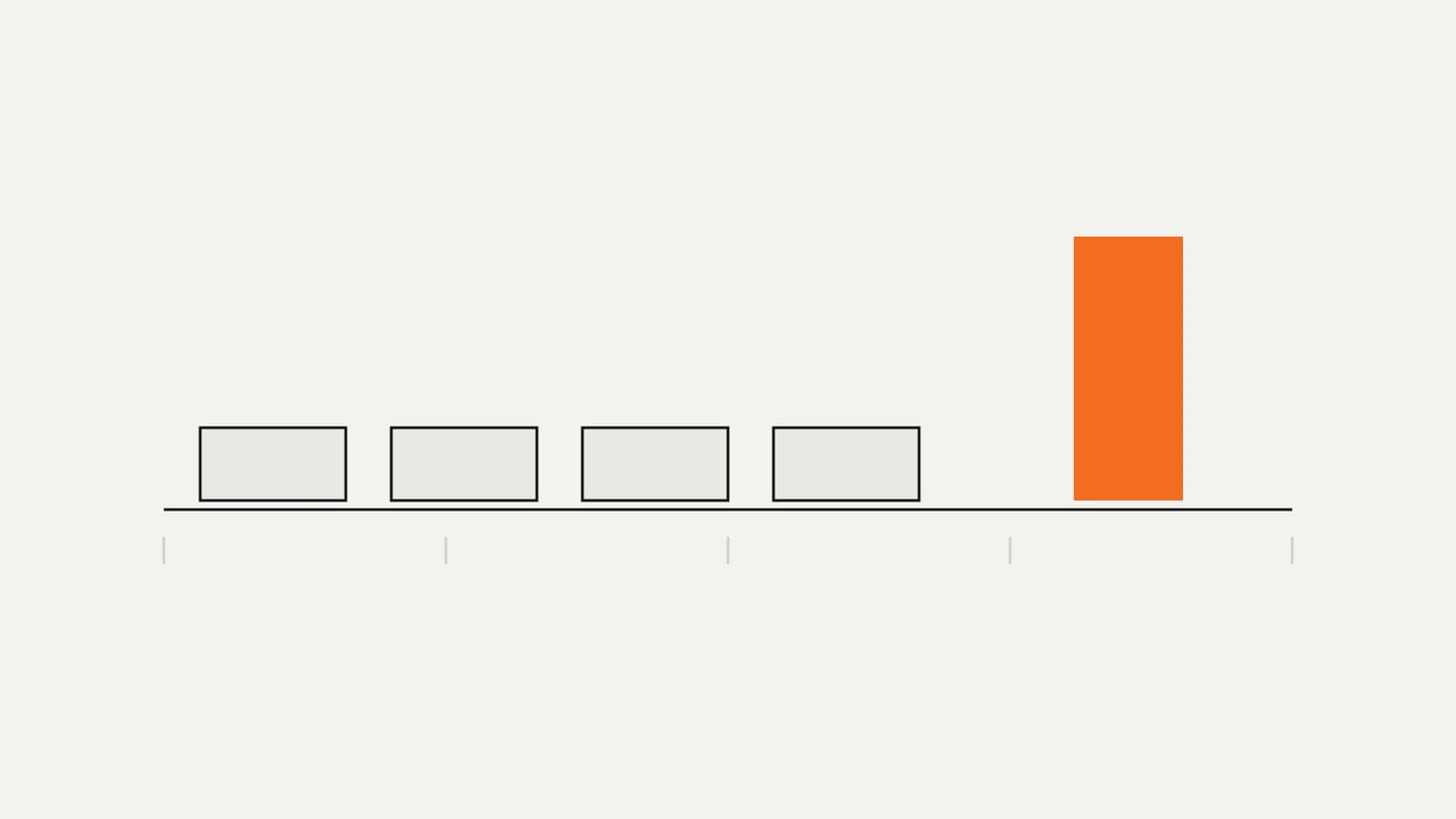
A Black Friday budget that does not eat the margin.
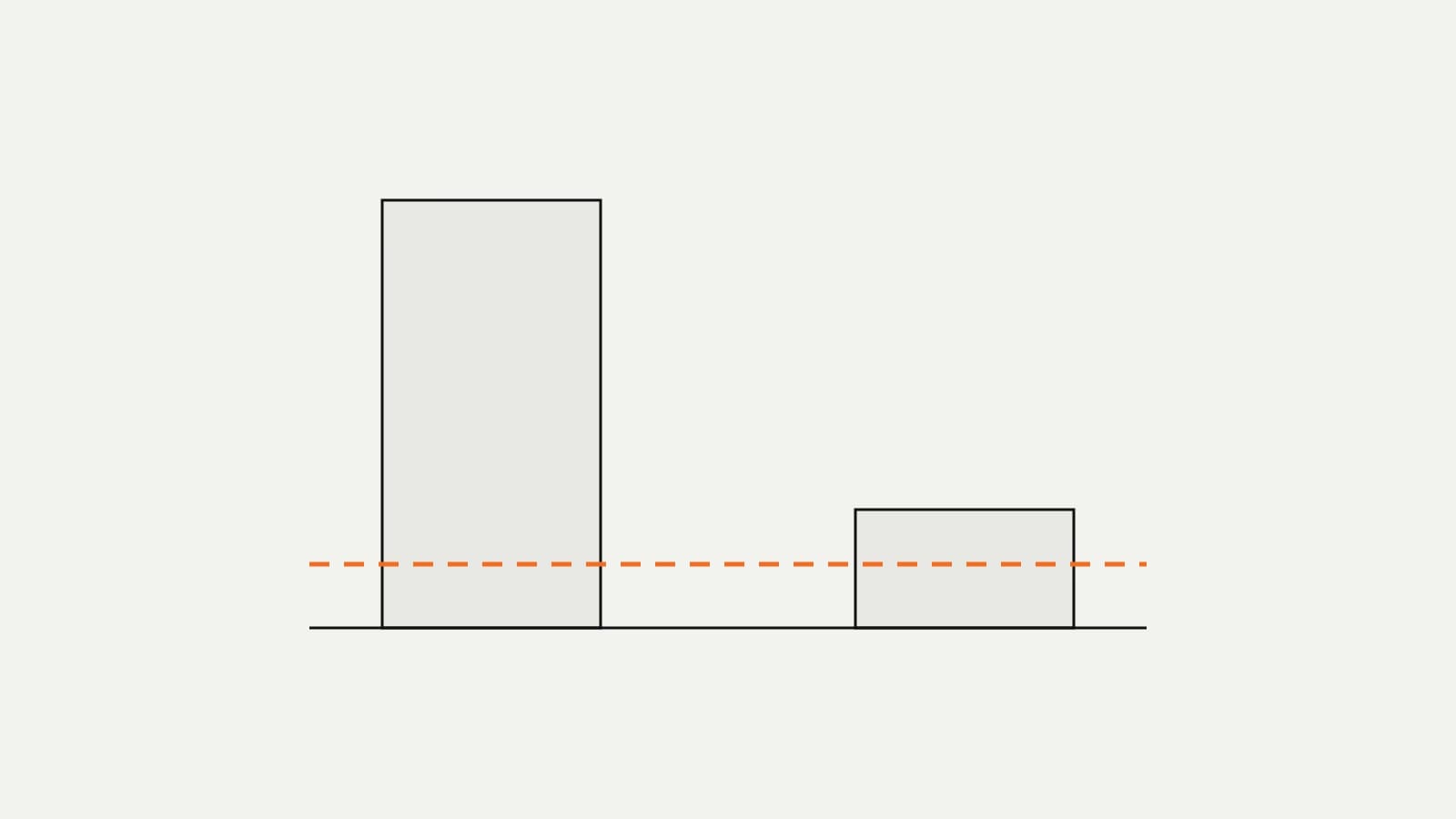
Work out the return on ad spend you need at the discounted price, not the full one, because discounting lowers margin and therefore raises the return you need from every pound. Then set a daily budget you would be willing to lose entirely, and a floor below which you stop rather than push. The common failure is judging the period on revenue, which always looks good during a sale, instead of on contribution after discount, advertising and returns.
The two numbers move against each other
A discount reduces the margin on every order, which raises the return on ad spend you need to break even. At the same time, competition raises the cost of every click and impression, which lowers the return you are likely to get.
Those two effects compound, and that is the whole reason record revenue weeks can lose money. Nothing went obviously wrong. Both halves moved a little in the wrong direction at once.
Calculate the break even at the sale price
The figure most people carry in their head is based on full price, and it is the wrong one during a promotion. At a lower margin, the same advertising performance produces less profit per order, and the required return rises accordingly.
Work it out before you set any budgets, using your real cost of goods and your real delivery cost. Our break even ROAS and target CPA calculator does it in a minute, and the number it gives you is the number the whole period should be judged against.
Then add the costs that arrive later
Peak season carries a tail that the campaign report never shows.
- Returns, which are usually higher on discounted purchases than on full price ones.
- Payment and platform fees, which scale with revenue rather than with profit.
- Delivery, including the expedited options people choose more often near a deadline.
- Support time, which is a real cost even when nobody invoices for it.
Set a budget you could lose
A useful test for any peak budget is whether losing it entirely would damage the business. If the answer is yes, the budget is too large, because peak is the period where least is under your control.
Within that ceiling, weight spend towards what is already converting rather than spreading evenly across the calendar. A flat daily budget across three weeks treats every day as equally valuable, and they are not.
Write down the floor, and who is allowed to breach it
Decide in advance the return on ad spend below which you stop rather than increase. Then decide who makes that call, because the pressure not to make it is highest in the middle of a bad Friday.
The reason this matters is that peak weeks produce the most convincing argument for spending more: the volume is real, the revenue is real, and only the contribution is quietly negative. Reviewing profit rather than revenue daily is the discipline that prevents it.
Do you know what a discounted order is worth
Work out your contribution per order at the sale price before anything goes live. If it is thin, the answer may be a smaller discount on a narrower range rather than a bigger budget behind a deeper one.
If you would like the arithmetic checked against your own numbers before you commit, send us your costs and the planned offer through the enquiry form. It takes us an afternoon and it is considerably cheaper than finding out in December.
Questions we get asked.
How do I set a Black Friday advertising budget?
- Start from the return on ad spend you need at the discounted price rather than the full one, since a lower margin raises the return required. Then cap the total at an amount you could lose entirely, and weight it towards what is already converting.
Why can record revenue still lose money?
- Because discounting lowers margin while competition raises acquisition cost, and the two compound. Add returns, fees and delivery, which arrive after the campaign report, and a busy week can be negative on contribution while looking excellent on revenue.
Should I spend more when sales are going well?
- Only if contribution is still healthy at the higher spend. Rising revenue during a discount period is not evidence of profitability, which is why the floor should be written down before the period starts.
Do returns really change the maths?
- On discounted purchases they usually run higher than on full price ones, and they land after the reporting window everybody is watching. Build an expected return rate into the break even figure rather than treating it as a surprise in January.
Is a deeper discount better than a wider one?
- Often the opposite. A smaller discount on a narrower, higher margin range protects contribution and still gives you something to advertise, whereas a deep sitewide cut commits your whole catalogue to the worst economics of the year.