What a landing page for paid traffic has to contain.
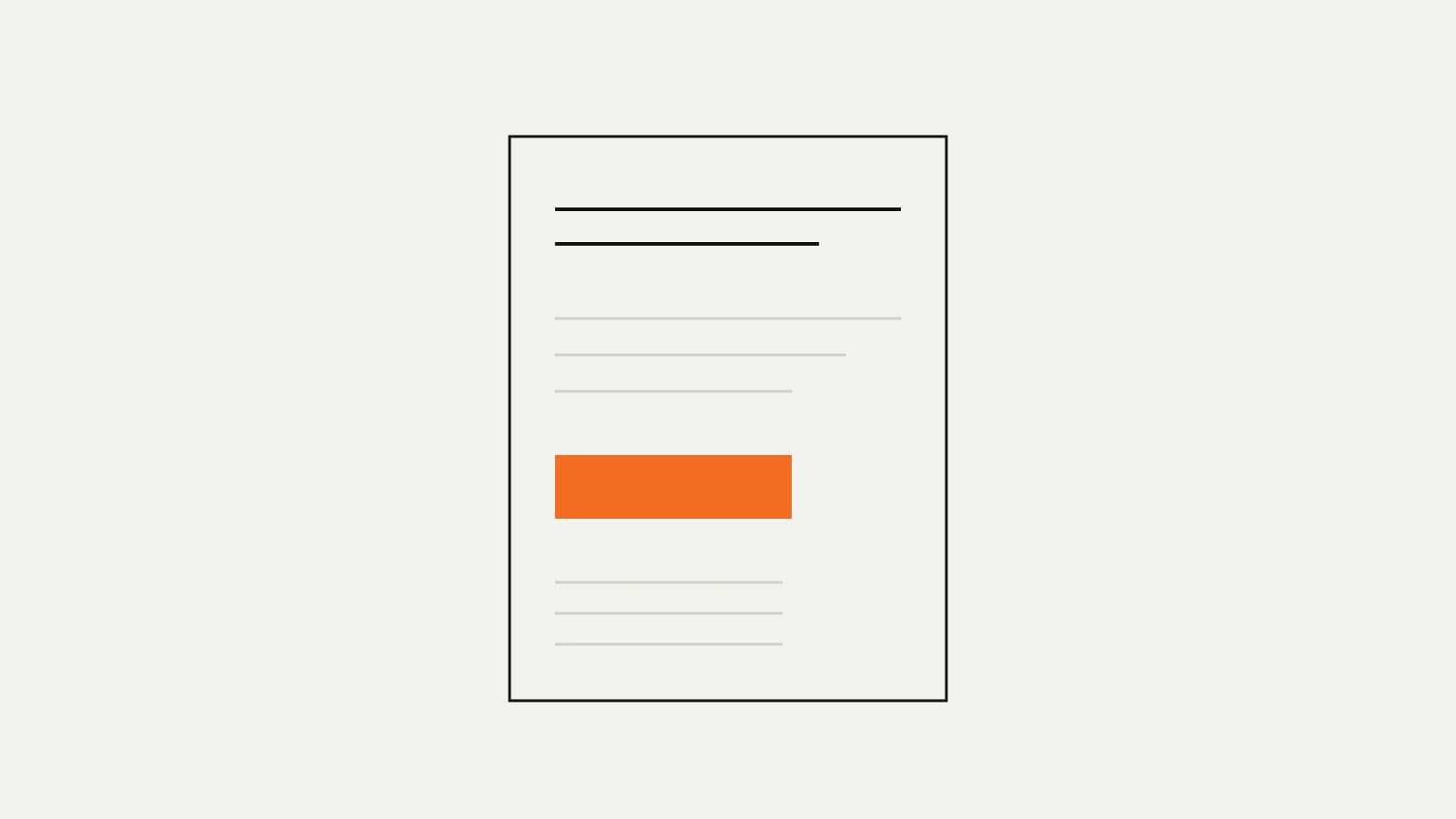
A paid landing page needs seven things: a headline that repeats the promise from the advertisement, one action rather than several, proof that somebody real has done this before, the answer to the two or three objections that stop people, the price or a range, a form asking only what you need to reply, and speed on a phone. The most common failures are sending paid clicks to the homepage, offering several equal actions, and burying the thing the advertisement promised below the first screen.
The visitor arrived mid thought
Somebody who found you through search or a recommendation is already interested in you. Somebody who clicked an advertisement is interested in a thing, and has not yet decided whether you are a credible source of it.
That difference decides the whole page. The first job is confirmation, not introduction. They need to see, immediately, that this is the place where the thing they clicked actually is.
Repeat the promise, word for word
If the advertisement said same week installation, the headline should say same week installation. Not a cleverer version of it, and not your brand positioning line.
This is called message match and it is the highest return change available on most pages. When it is missing, visits end in seconds and it looks like a traffic quality problem, which is the most common misdiagnosis in paid media.
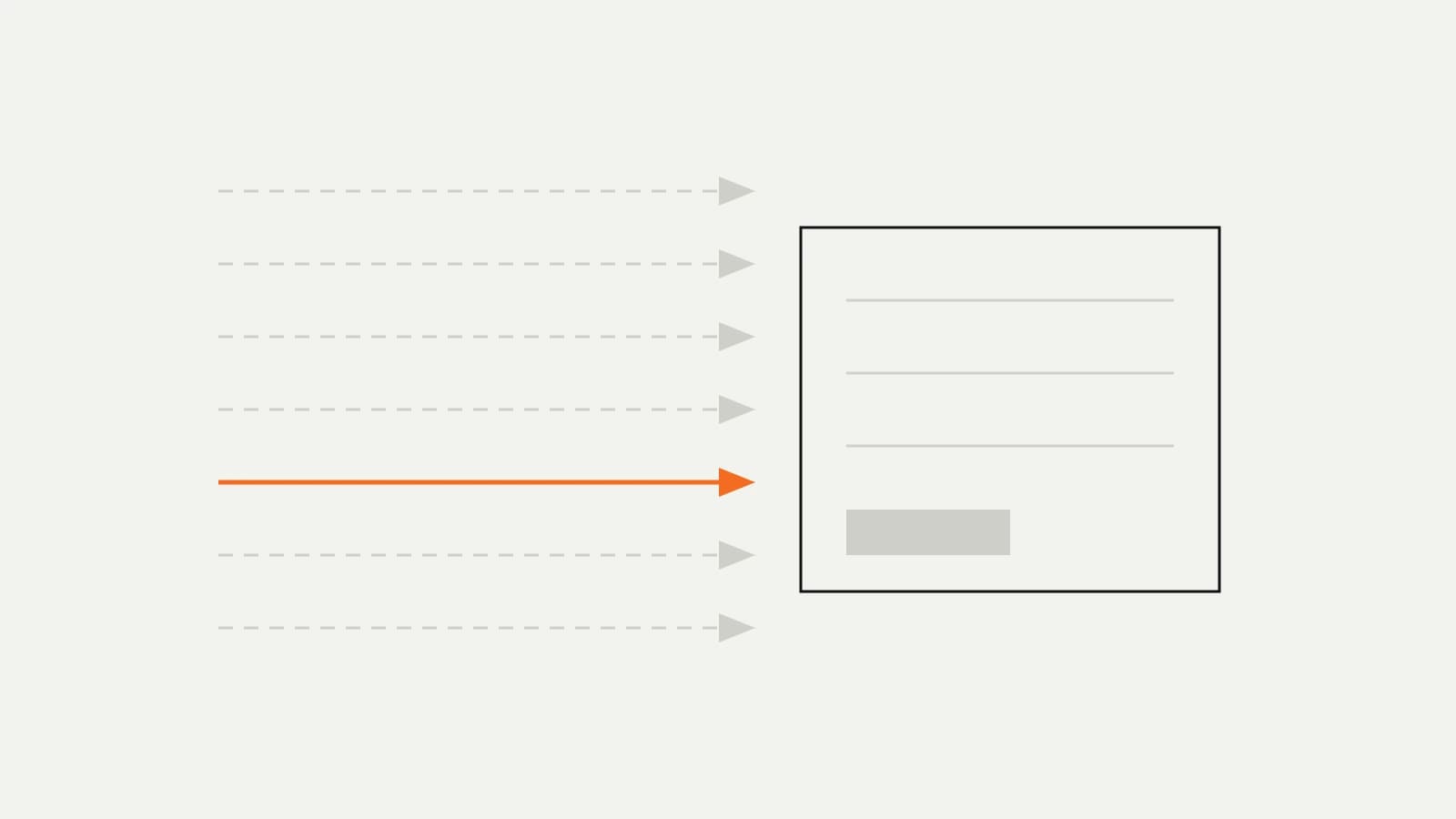
One action, repeated, not several offered
A page with a form, a phone number, a chat widget, a brochure download and a newsletter signup is a page asking the visitor to choose what to do. Choosing is work, and work loses conversions.
Pick the one action worth the click and repeat it down the page. Remove the navigation, or reduce it to a logo. Every other route off the page is a way to lose somebody you already paid for.
The rest of the list
None of these are decorative. Each one answers a question the visitor already has.
- Proof. A named customer, a real number, a review with a person attached. Unattributed praise is read as decoration.
- The objections. Whatever the two or three reasons are that people say no, answer them on the page rather than waiting for the call.
- The price, or a range. Hiding it filters out people who could afford you as well as people who could not.
- A short form. Every field costs completions, so ask only for what you need to reply usefully, and qualify with one question rather than five.
- Speed on a phone, tested on a phone, on mobile data rather than office broadband.
What to do about the homepage habit
Sending paid traffic to a homepage is the most expensive default in small business advertising. A homepage serves everybody, so it is specific to nobody, and the visitor has to navigate before they can act.
The objection is usually time: a dedicated page is work. It is roughly a day of work, and it is the same day you would spend arguing about whether the traffic is any good.
Change one thing and measure it
Do not rebuild everything at once. Change the headline to match the advertisement, remove the competing actions, and measure. Those two alone move most pages.
Then check the result is real rather than a good week. Our A/B test significance calculator will tell you whether the difference you are looking at is a finding or a coincidence.
Where does your paid traffic land today
Click your own advertisement, on a phone, and watch what happens. Does the page say what the advertisement said, is there one obvious thing to do, and could you do it in under a minute.
If the answer to any of those is no, you have found where the money goes. Send us the page and the advertisement through the enquiry form and we will tell you which change is worth making first.
Questions we get asked.
What makes a good landing page for Google Ads?
- A headline that repeats the promise from the advertisement, one action rather than several, proof from a named customer, answers to the usual objections, a price or range, a short form, and speed on a phone. Message match matters most, because it decides whether the visit lasts at all.
Should paid traffic go to the homepage?
- Almost never. A homepage serves everybody and is therefore specific to nobody, and it forces the visitor to navigate before acting. A dedicated page takes about a day to build and is usually the cheapest improvement available.
Should I remove the navigation from a landing page?
- Reduce it to a logo in most cases. Every route off the page is a way to lose a visitor you already paid for, and paid visitors rarely arrive wanting to browse.
How many form fields should I use?
- As few as let you reply usefully, plus one qualifying question if lead quality is a problem. Each additional field costs completions, so every field should earn its place rather than being there because a form template included it.
Should I show the price on a landing page?
- A price or a range usually helps. Hiding it filters out people who could afford you as well as those who could not, and it moves the qualifying conversation to a call that neither party wanted.