In house or agency, and what each one really costs.
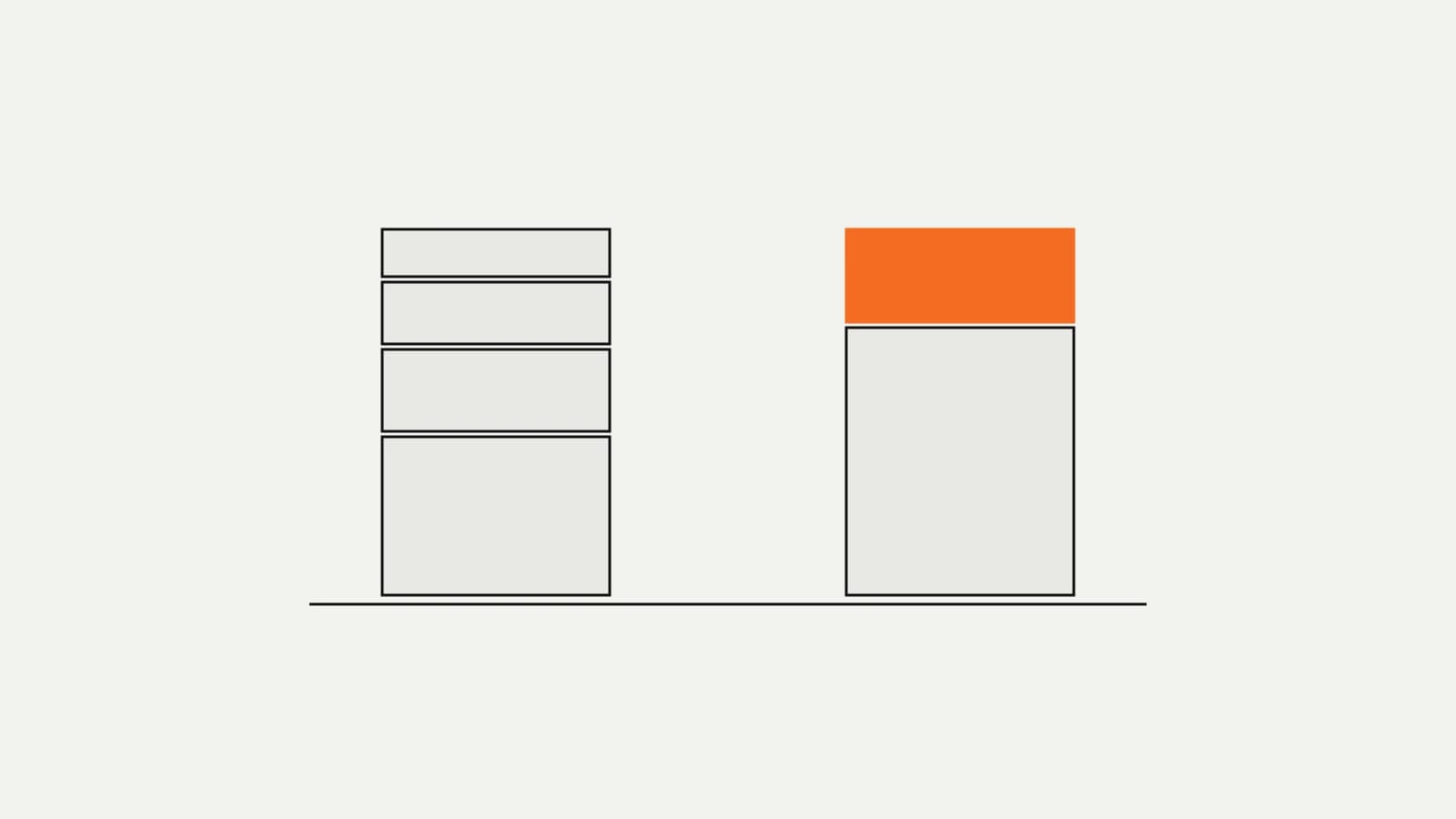
Compare the full cost of each, not the salary against the retainer. In house costs the salary plus employment costs, tools, training, recruitment and the risk that one person holds all the knowledge. An agency costs the fee plus the time you spend managing them and the fact that you are one of several clients. As a rough guide, below a certain media spend an agency is cheaper because you are renting a share of several specialists, and above it in house becomes cheaper because the work is constant enough to fill a role.
The comparison everybody makes is not the comparison
A marketing manager's salary against a monthly retainer looks like a clear decision. It is not the real one, because only one of those two numbers is complete.
Around the salary sit employment costs, a tool stack, training, recruitment cost, cover during holidays and illness, and the management time somebody senior spends. Around the retainer sit your own time briefing and reviewing, and the fact that the team is shared.
What in house actually carries
The visible cost is salary plus employment overhead. The less visible ones matter more than they look.
- Tools. An analytics, SEO and reporting stack runs to a real monthly figure per seat, and an agency is usually already paying it across many clients.
- Coverage. One person is one person. Holidays, illness and notice periods all mean the work stops or someone untrained does it.
- Breadth. Paid search, paid social, SEO, landing pages and tracking are genuinely different crafts, and a single hire is strong at one or two of them. The others get done at the level of somebody learning.
- Concentration risk. When the one person who understands the account leaves, so does the account knowledge, unless somebody has been strict about documentation.
What an agency actually carries
The fee is most of it, but not all of it. Your own time goes into briefing, approving and reviewing, and an agency that needs none of your time is usually one that is not being steered.
The structural trade is attention. You are renting a share of several specialists rather than owning all of one person, which is exactly why it works below a certain size and stops working above it.
There is also a dependency question worth settling at the start rather than at the end. Make sure you own the ad accounts, the analytics and the tag manager, with the agency added as users. It costs nothing to arrange on day one and it is the difference between leaving and negotiating.
Where the line usually sits
The decision tends to turn on media spend, because spend is what decides whether there is enough work to fill a role. Below a modest monthly spend, an agency is almost always cheaper for the same quality, since you could not hire one person with all the required skills for that money.
As spend rises, the balance shifts. At a large enough budget, the fee alone would pay a salary, the work is constant, and having somebody whose only client is you starts to be worth more than shared expertise.
The middle is where most businesses actually sit, and the honest answer there is often a hybrid: one internal person who owns the strategy, the brand and the relationship with customers, and outside specialists for the technical execution that would otherwise be done at a beginner level.
The question that decides it faster
Ask how much genuine specialist work there is each month, not how much marketing there is. Posting, email and coordination are constant and suit an employee. Account restructures, tracking implementations and conversion work on landing pages are episodic and expensive to staff for.
If the specialist work is episodic, you are paying a salary for availability rather than output, and that is usually the more expensive mistake of the two.
Which one are you actually choosing between
Before deciding, write down the real number on both sides. Salary plus employment costs plus tools plus recruitment, against fee plus your time. Then ask which one has cover when somebody is away and which one has more than one skill.
If you want a straight answer for your own numbers rather than a general one, tell us your monthly spend and what you need done. We will tell you which way it falls, including when the answer is that you do not need us yet. The enquiry form is the fastest way to start that conversation.
Questions we get asked.
Is an agency cheaper than hiring in house?
- Below a certain media spend, almost always, because you are renting a share of several specialists rather than paying one salary plus tools, training and cover. Above it the balance shifts, since the fee alone would fund a role and the work is constant enough to fill one.
What hidden costs come with an in house hire?
- Employment costs on top of salary, the tool stack, training, recruitment, and coverage during holidays and notice periods. The largest is usually breadth: one person is strong at one or two of paid search, paid social, SEO, landing pages and tracking, and the rest get done at a learner's level.
Can I do both?
- That is the most common working answer in the middle of the range. One internal person owns strategy, brand and customer knowledge, and outside specialists handle episodic technical work such as account restructures, tracking and conversion optimisation.
What should I own if I use an agency?
- Your ad accounts, analytics and tag manager, with the agency added as users rather than owners. Arrange it on day one. It costs nothing then and decides whether leaving later is a decision or a negotiation.
How long before a new hire or a new agency shows results?
- Both need roughly the same ramp, which is six to twelve weeks before changes show up in outcomes rather than activity. Anyone promising results in the first month is describing a change in the reporting rather than in the business.